Why I Microneedle Everyday
Why I Choose Consistent, Low-Inflammation Skin Stimulation
Microneedling has become one of the most misunderstood practices in modern skincare. Somewhere along the way, it was reduced to a buzzword associated with redness, pain, and dramatic “before and after” photos. That version of microneedling is not what I practice and it’s not what I believe in.
My approach is grounded in physiology, not trends.
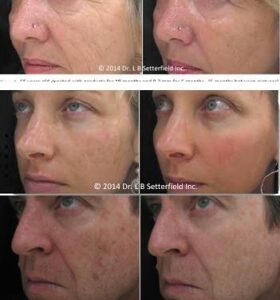
This philosophy is informed by The Concise Guide to Dermal Needling by Dr. Lance Setterfield, M.D., a foundational medical text that reframes microneedling as a tool for cellular communication and regenerative skin health, not controlled damage.
1. Skin Health Comes Before Skin Correction
At Olive Younger, we believe that healthy skin will always look its best.
Healthy skin is not defined by how aggressively it has been treated. It is defined by:
- A strong epidermal barrier
- Balanced cell function
- Even pigmentation
- Resilience and hydration
- An intact dermal-epidermal junction
Dr. Setterfield emphasizes that when skin is healthy, appearance improves naturally — without thinning, trauma, or long-term compromise. Microneedling, when done correctly, supports all of these goals simultaneously.
2. I Do Not Chase Inflammation
One of the most important distinctions in Dr. Setterfield’s work is between regenerative healing and fibrotic (scar-based) healing.
Prolonged inflammation:
- Degrades growth factors
- Encourages fibrosis
- Disrupts melanocytes
- Weakens long-term skin integrity
If inflammation is the goal, the biology has already been misunderstood.
Shallow, cosmetic microneedling stimulates signaling pathways without triggering a prolonged inflammatory cascade, allowing skin to remain in a balanced repair state rather than a chronic wound state.
3. The Epidermis Is Not Disposable
Many aesthetic treatments sacrifice the epidermis to access the dermis. Dr. Setterfield strongly challenges this approach, emphasizing the critical role of keratinocytes.
Keratinocytes:
- Release epidermal growth factors (EGF)
- Regulate melanocyte behavior
- Coordinate fibroblast activity
- Maintain barrier function
When the epidermis is preserved and gently stimulated — rather than destroyed — results are more natural, more stable, and more sustainable over time.
This is a key reason I favor frequent, low-depth microneedling over aggressive, infrequent treatments.
4. Frequency Matters — But Depth Matters More
Not all microneedling is the same.
Dr. Setterfield clearly distinguishes cosmetic microneedling from medical microneedling.
Cosmetic microneedling:
- Is non-ablative
- Operates at shallow depths
- Preserves epidermal integrity
- Supports normal maintenance and repair
When depth is appropriate and inflammation is minimized, frequency becomes a feature, not a risk.
5. My Personal Microneedling Practice (Cosmetic Only)
For transparency, I want to share how I personally practice cosmetic microneedling.
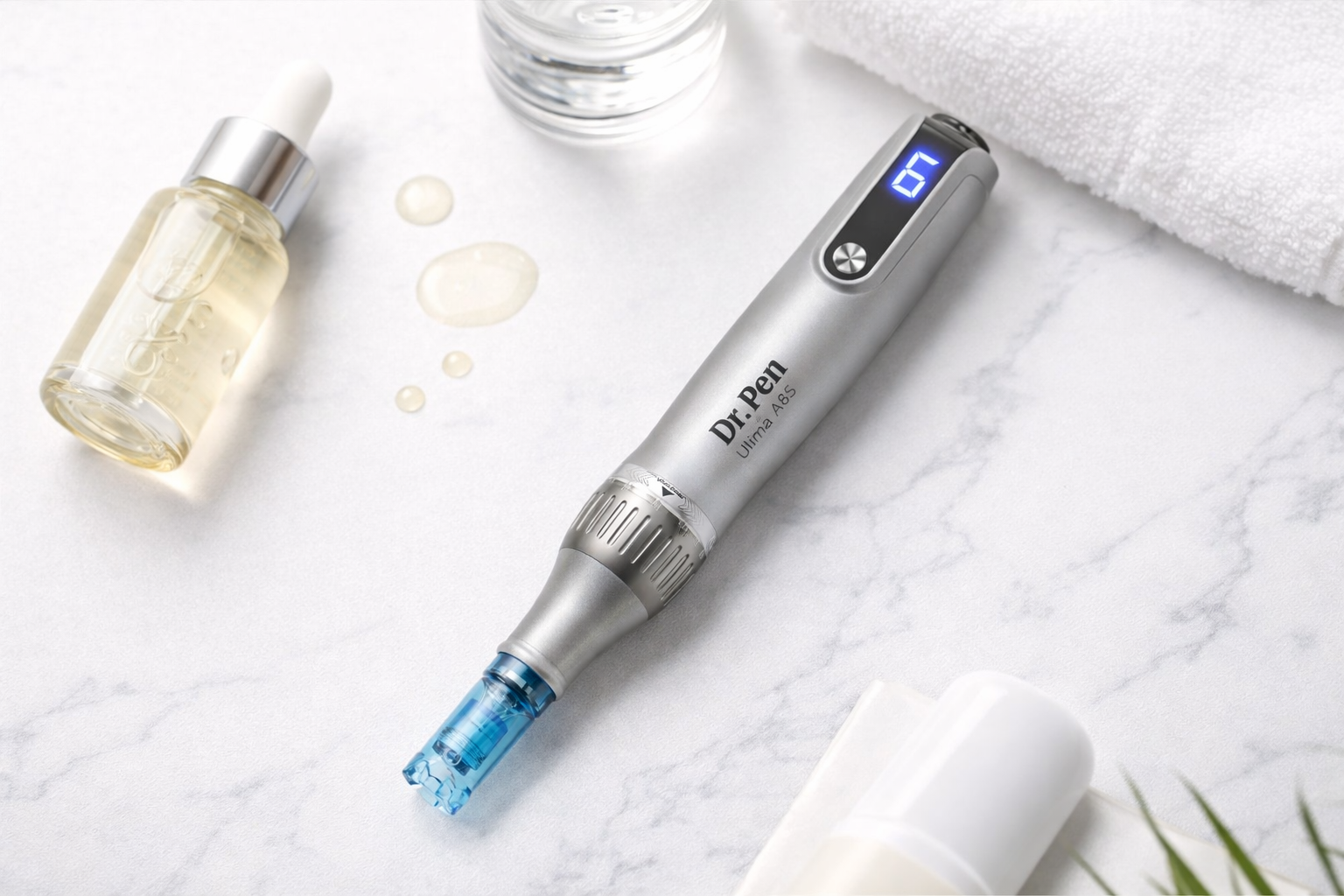
- I use a Dr. Pen device for cosmetic microneedling.
- I alternate between a 36-pin cartridge and a nano cartridge, depending on skin condition and tolerance.
In terms of depth:
- 0.25 mm around the eyes, where skin is thinner and more delicate
- 0.3 mm on the rest of my face and neck
These depths remain firmly within cosmetic microneedling, designed to stimulate the epidermis and dermal-epidermal junction without creating ablative injury or prolonged inflammation.
This reflects Dr. Setterfield’s emphasis on preserving epidermal integrity while enhancing cellular signaling — not forcing deeper injury for short-term results.
6. Why Microneedling Enhances Skincare Absorption
One of the most compelling and often overlooked benefits of cosmetic microneedling is its impact on topical absorption.
Dr. Setterfield notes that microneedling can increase skin care absorption by up to 90%, making it uniquely effective for delivering medically appropriate, barrier-compatible ingredients.
This matters because skin rejuvenation is not just about stimulation, it’s about providing cells with the building blocks they need to respond properly.
Microneedling does both:
- It signals the skin what to do, and
- It improves delivery of what the skin needs to do it
7. What Are Ablative Treatments and Why I Avoid Them
In dermatology, ablative treatments are procedures that intentionally destroy or remove layers of skin to trigger a wound-healing response.
Examples include:
- Deep chemical peels
- Laser resurfacing
- Aggressive energy-based devices
- Treatments relying on heat or chemical destruction
Dr. Setterfield is highly critical of ablative approaches because they:
- Thin the epidermis
- Damage keratinocytes
- Disrupt the dermal-epidermal junction
- Inactivate essential growth factors
- Promote fibrotic (scar-based) healing rather than regenerative healing
Heat-based and chemical injury increase inflammatory mediators associated with abnormal collagen formation, which explains why aggressively treated skin can look tight initially, but deteriorate over time.
In contrast, microneedling is a non-ablative mechanical stimulus that:
- Preserves epidermal integrity
- Minimizes inflammation
- Encourages embryo-like regenerative healing
- Produces structurally normal collagen
This distinction is foundational to my philosophy and why I deliberately avoid ablative approaches.
Final Thought
I don’t microneedle to damage my skin. I microneedle to communicate with it.
When done gently, thoughtfully, and consistently, microneedling becomes less of a treatment and more of a partnership with your skin’s natural intelligence.
Disclaimer
This article reflects personal practices and editorial opinions informed by published medical literature, including
The Concise Guide to Dermal Needling by Dr. Lance Setterfield, M.D. The practices described refer only to shallow,
cosmetic microneedling and are not medical advice. Depth, frequency, device type, and cartridge selection should always
be individualized. Medical or ablative microneedling and other skin resurfacing procedures should only be performed by
licensed professionals. Always consult a qualified practitioner before beginning any new skin treatment.